Intent
At St John & St James we are proud of our rich and ambitious Spanish curriculum, which is designed to ensure that children are instilled with passion and curiosity about learning a new language. We strongly believe that learning a new language will empower our pupils’ to become an embedded part of the global community and will deepen their understanding of the world.
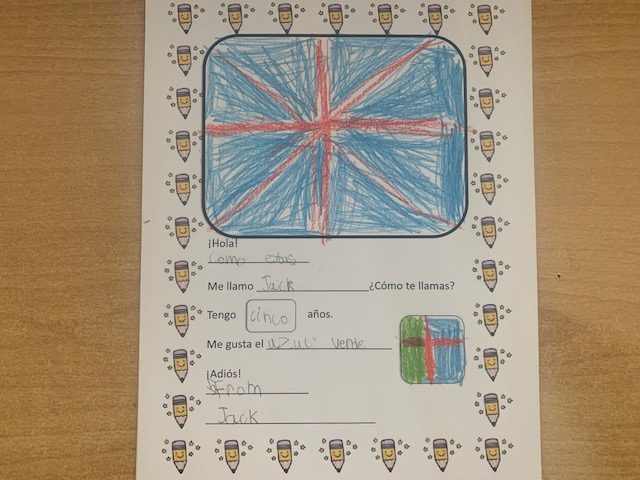
Our approach to teaching Spanish is underpinned by the belief that learning one language provides an opening for pupils’ to explore other cultures. We seek to provide the foundations for future learning by developing children’s competence and confidence in communicating in an additional language, both orally and in written form. By encouraging pupil’s to broaden their horizons and appreciate the world around them, we hope to empower them with the necessary skills to live, work, study and travel abroad.
At St John & St James we highly value the diverse variety of languages spoken within our school community and aim to ensure that our curriculum has a strong focus on effective communication and develops a love and appreciation for language.
Implementation
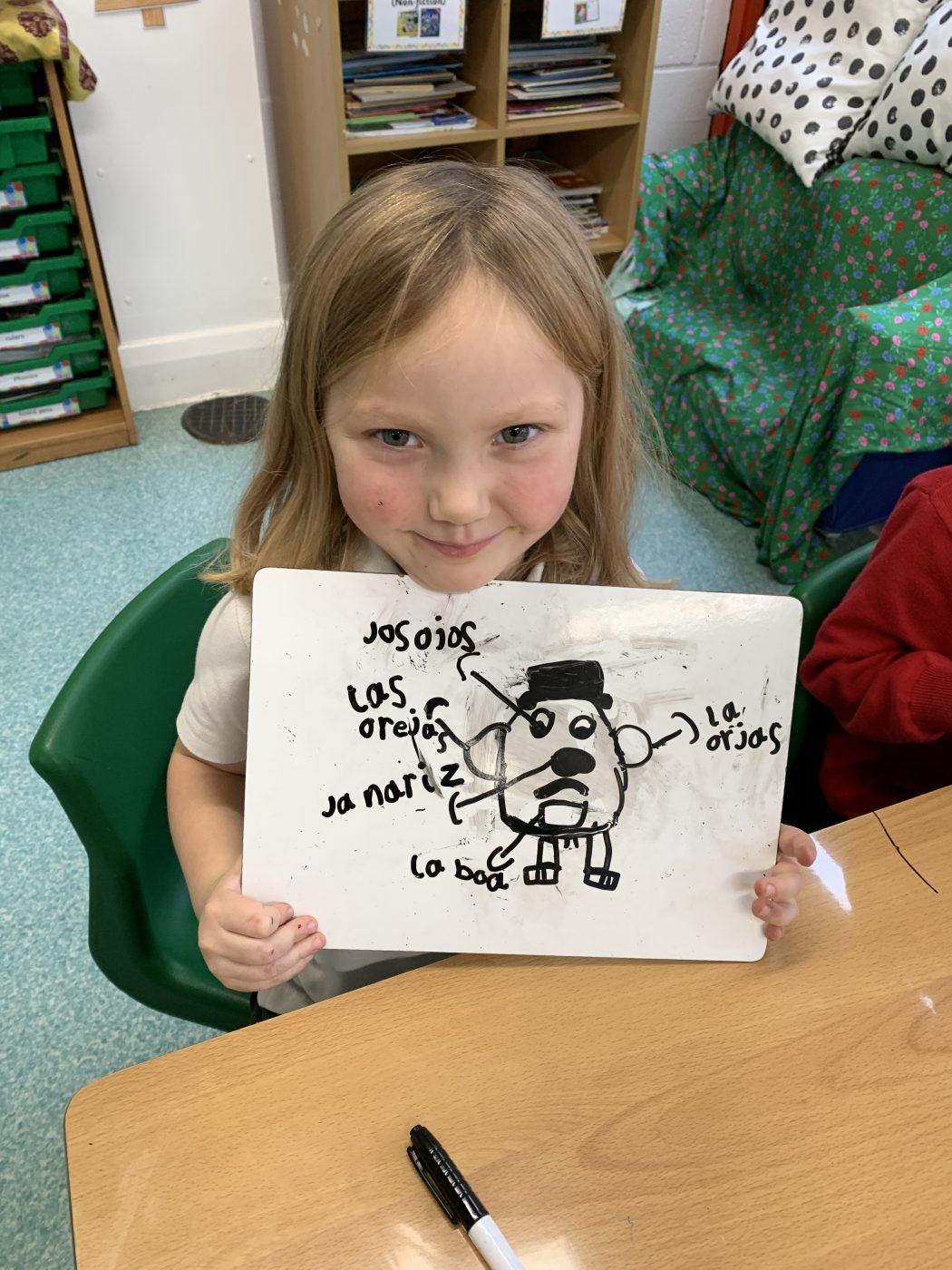
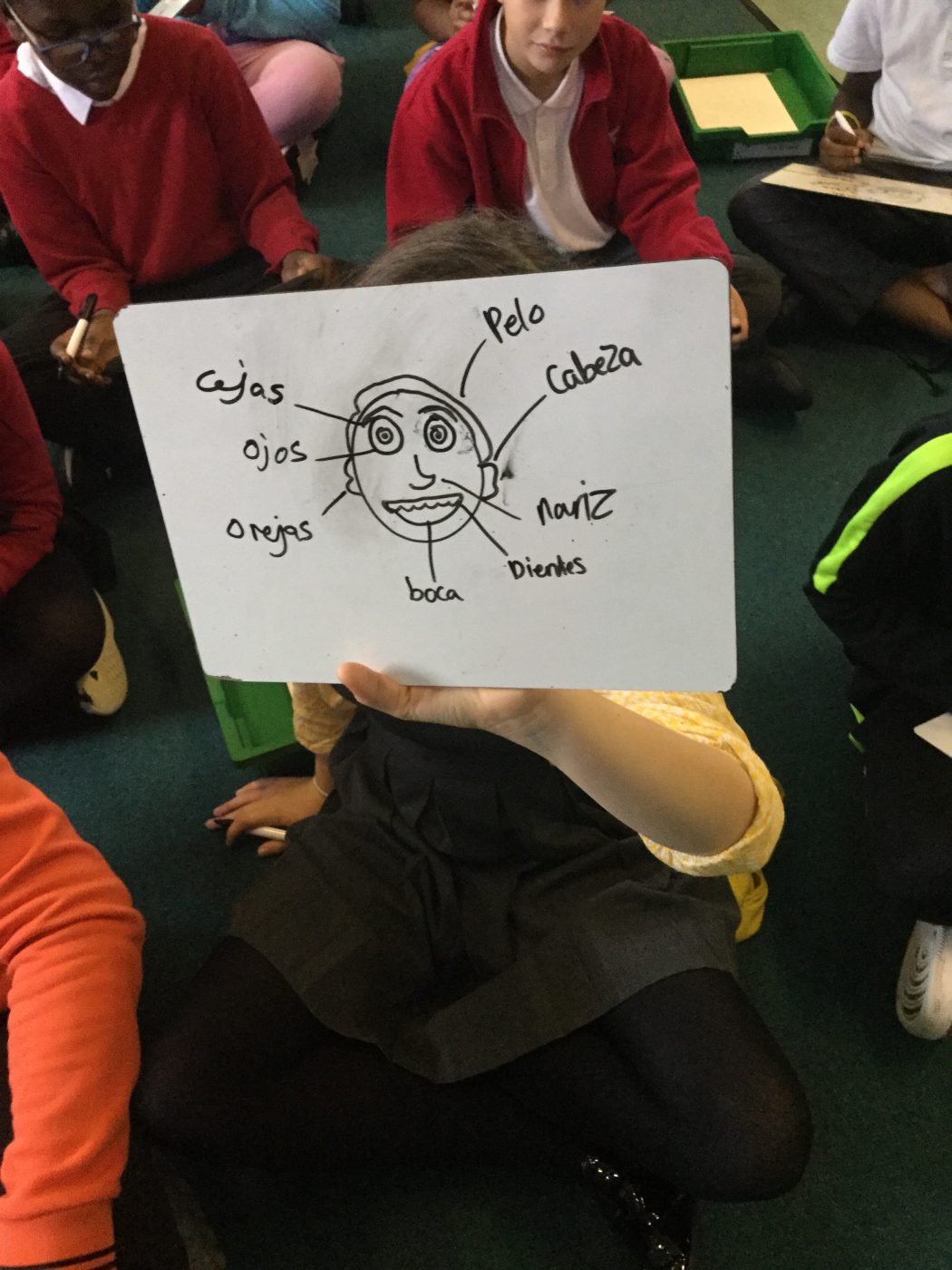
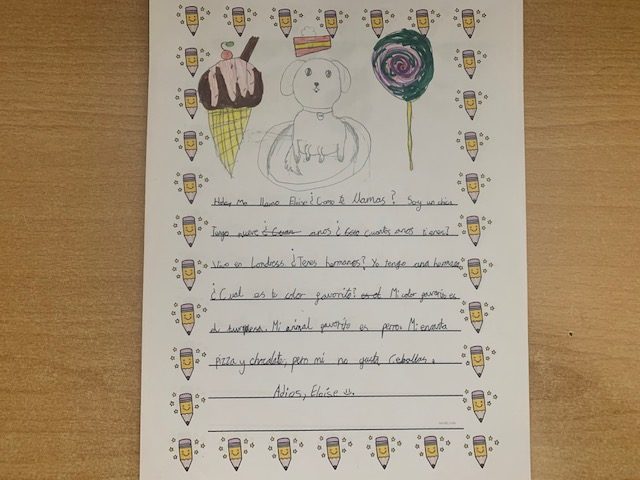
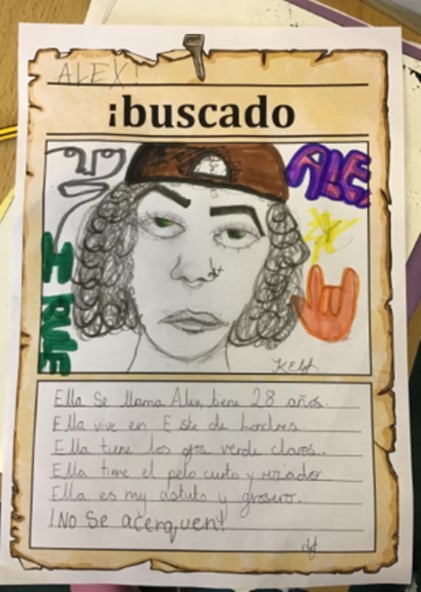
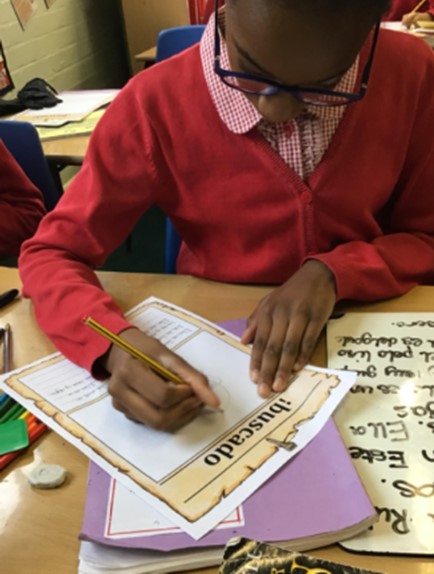
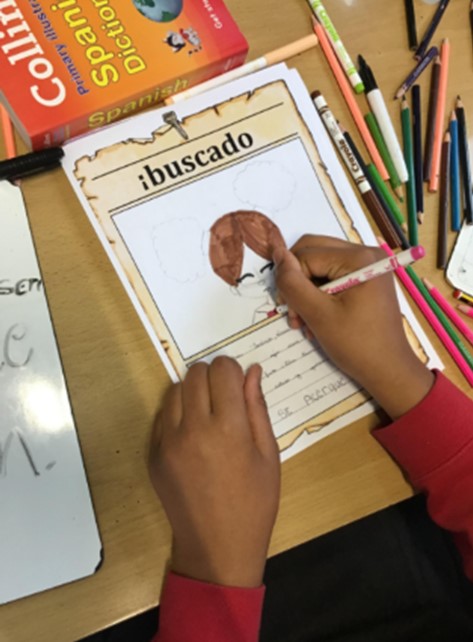
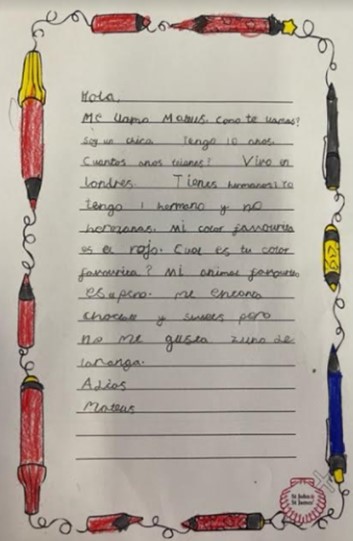
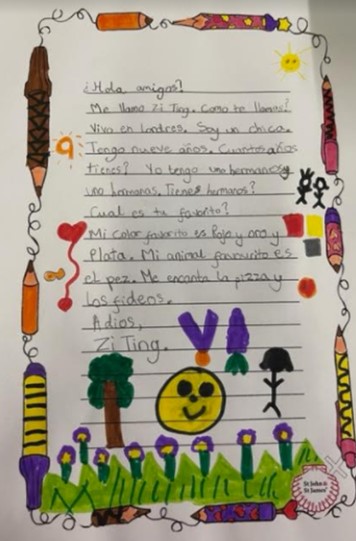
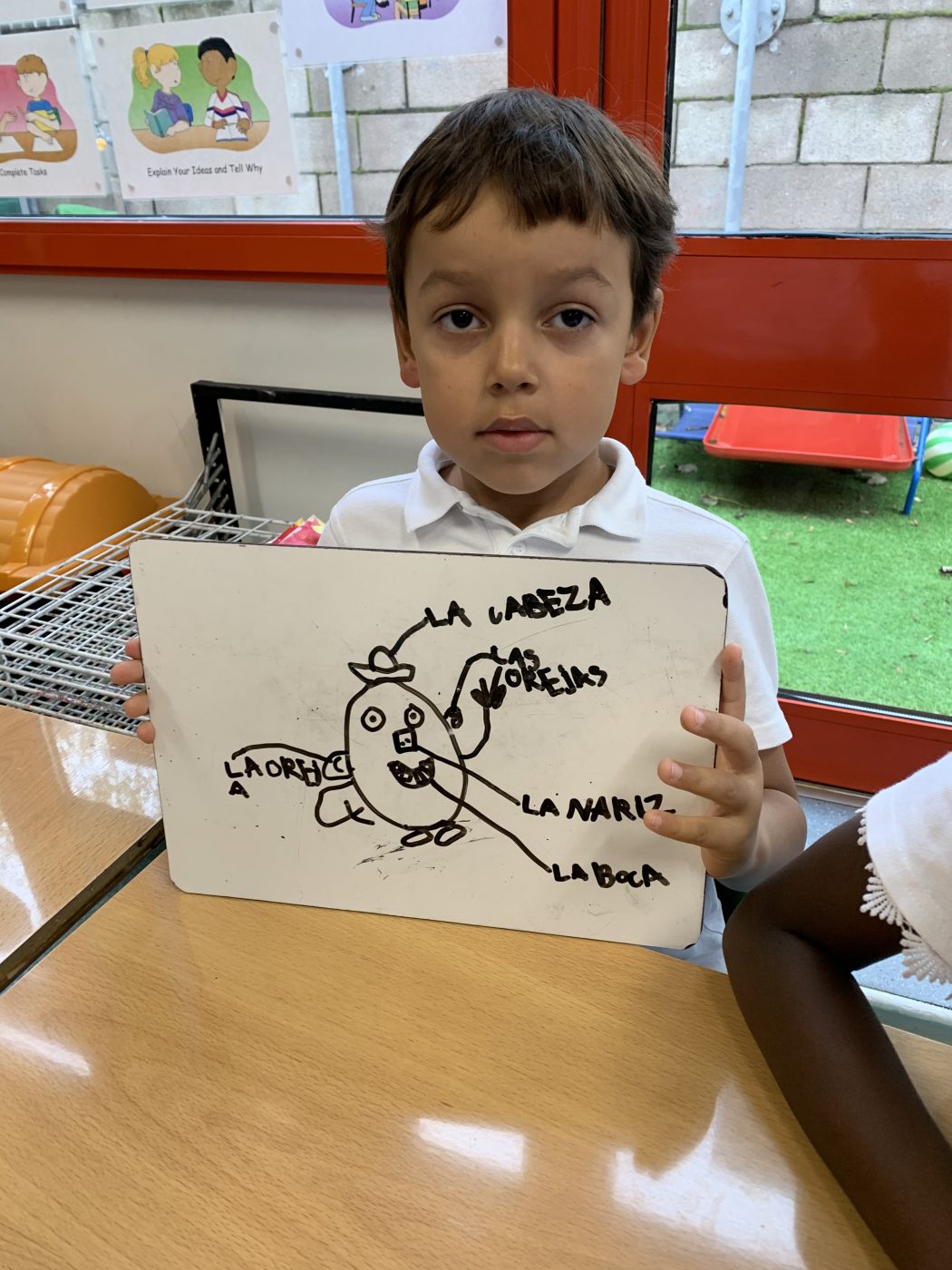
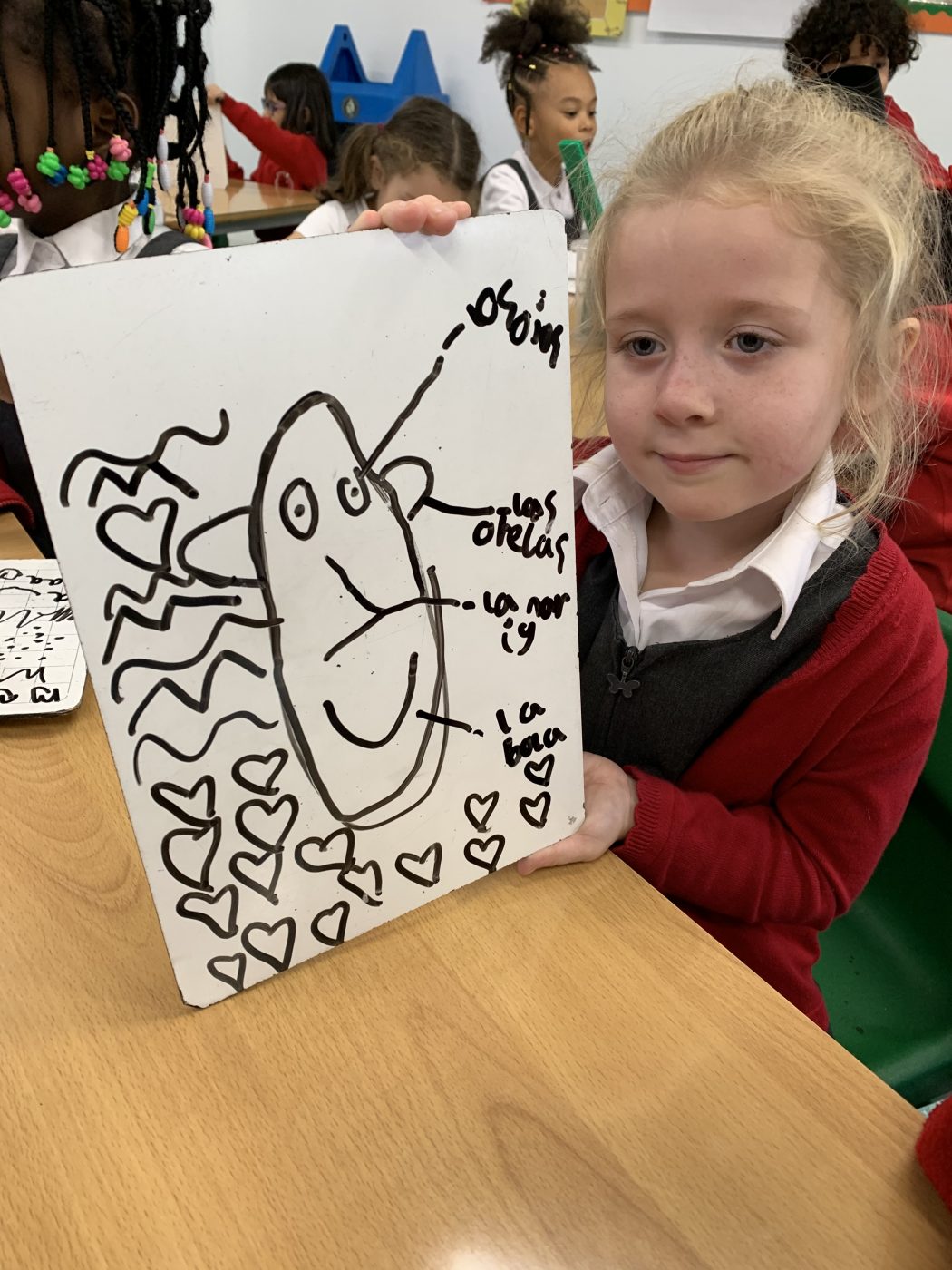
Pupils begin learning Spanish in Key Stage 2, with weekly lessons throughout the year. Our MFL lead creates engaging and relatable lessons based on the Hackney Education scheme of work, which is broken into progressive, meaningful steps with opportunities for review. Songs, rhymes and familiar stories are used regularly in all Spanish lessons to ensure that children have a wide exposure to known and new vocabulary, with emphasis on pronunciation. Additionally, a phonics focus is embedded within each lesson – these are progressive throughout the years and allow children to approach Spanish-speaking activities with confidence and increasingly accurate pronunciations.
All lessons are planned and delivered to build upon the key cornerstones of language development: phonics, vocabulary and grammar. Learning is broken into small steps, which are explicitly modelled, continuously practised and intentionally reviewed to ensure that over-time pupils develop a fluent recall from their long-term memory. Children are taught about specific grammatical structures and rules, which allow them to acquire a better understanding of Spanish as a new language. Grammar rules are taught in an organised sequence and constantly reviewed to enable them to become a more natural process in the development of children’s language skills. To further emphasise the importance of grammar and vocabulary, meaningful comparisons are made between the similarities and differences in English and Spanish.
Impact
Spanish Curriculum Map